
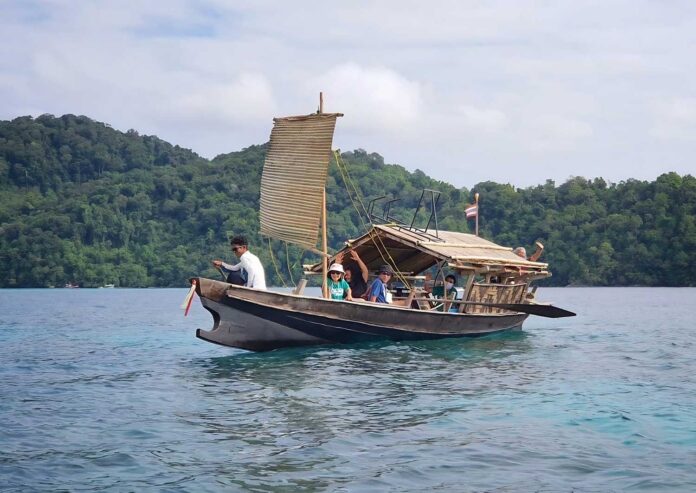
Visiting the Moken: Thailand’s last nomadic sea tribe
We may earn a commission from purchases made through some affiliate links on this website
Off the shores of Thailand’s Andaman Sea, a nomadic community known as the Moken – often called the Sea Gypsies – have lived in harmony with the ocean for generations. Traditionally, these seafaring people roam freely among the islands, guided by an intimate knowledge of the tides, stars and marine life. Today, however, their unique culture faces threats from modernisation and tourism. Yet, responsible, thoughtful travel can give visitors a meaningful encounter with this extraordinary community. For those of you after a more authentic window into life on the Thai islands, here’s our guide on how to visit the Moken People: Thailand’s sea gypsies.
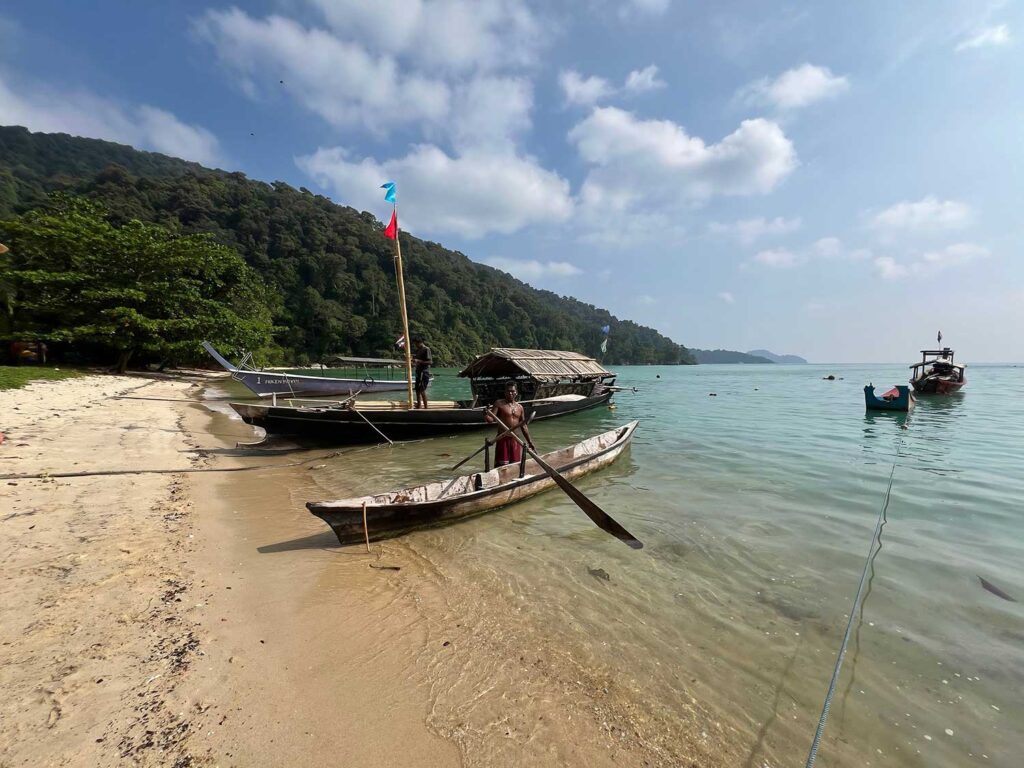
Who are the Moken? Guardians of the Sea
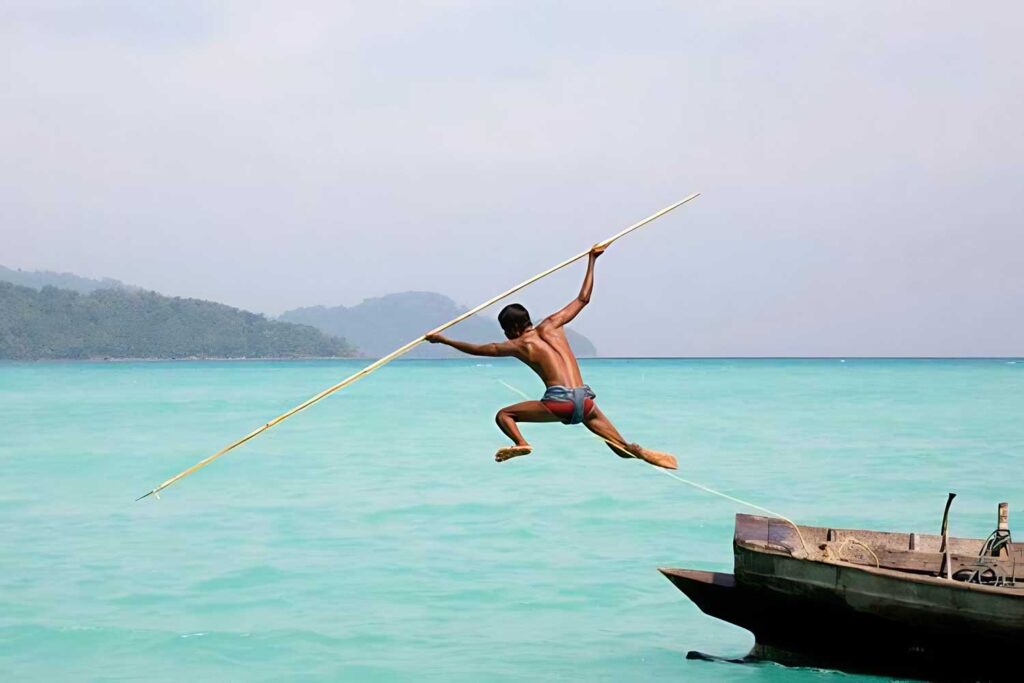
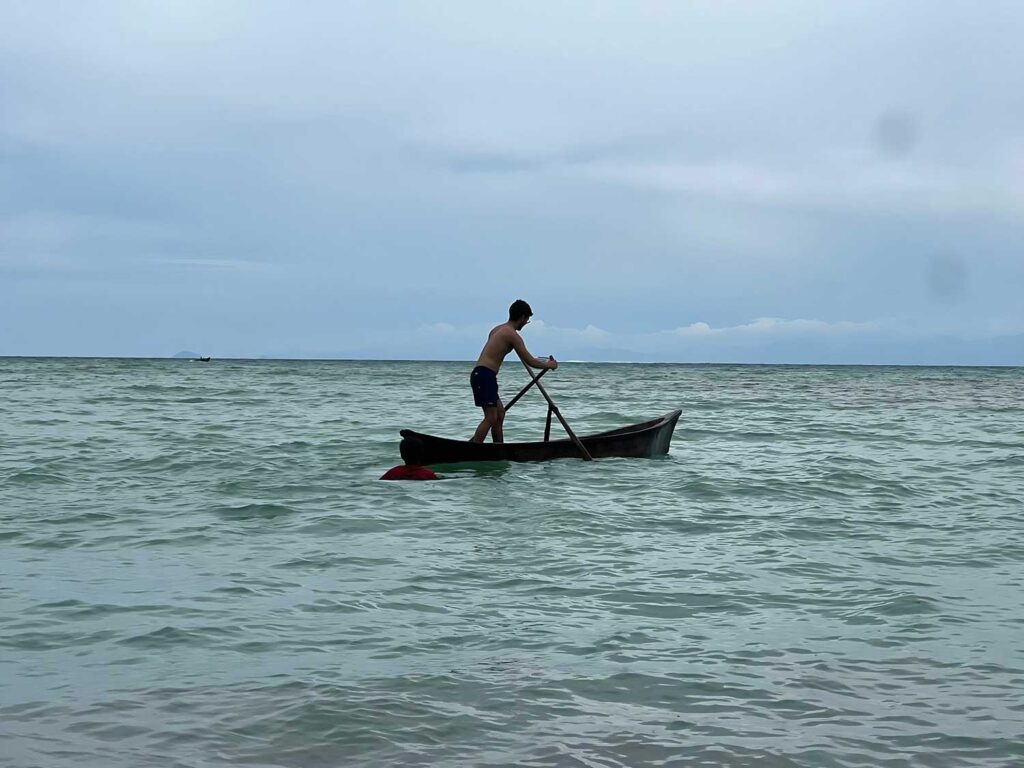
The Moken people, estimated to number around 3,000, primarily inhabit the Mergui Archipelago, a scattering of islands shared between Thailand and Myanmar. Historically, they spent most of their lives aboard wooden “kabang” boats, diving freely into the ocean depths to hunt fish, sea cucumbers and shellfish, rarely touching land except during monsoon season. Remarkably, the Moken possesses exceptional underwater vision – an adaptation from generations of freediving.
In recent decades, however, national borders, fishing restrictions and environmental challenges have pressured many Moken into settling permanently in villages, such as those on Surin Islands. With settled life comes both stability and new hardships, including vulnerability to exploitation, displacement and cultural dilution. Responsible tourism, therefore, becomes critical in supporting their self-sustaining practices and reinforcing their cultural heritage.
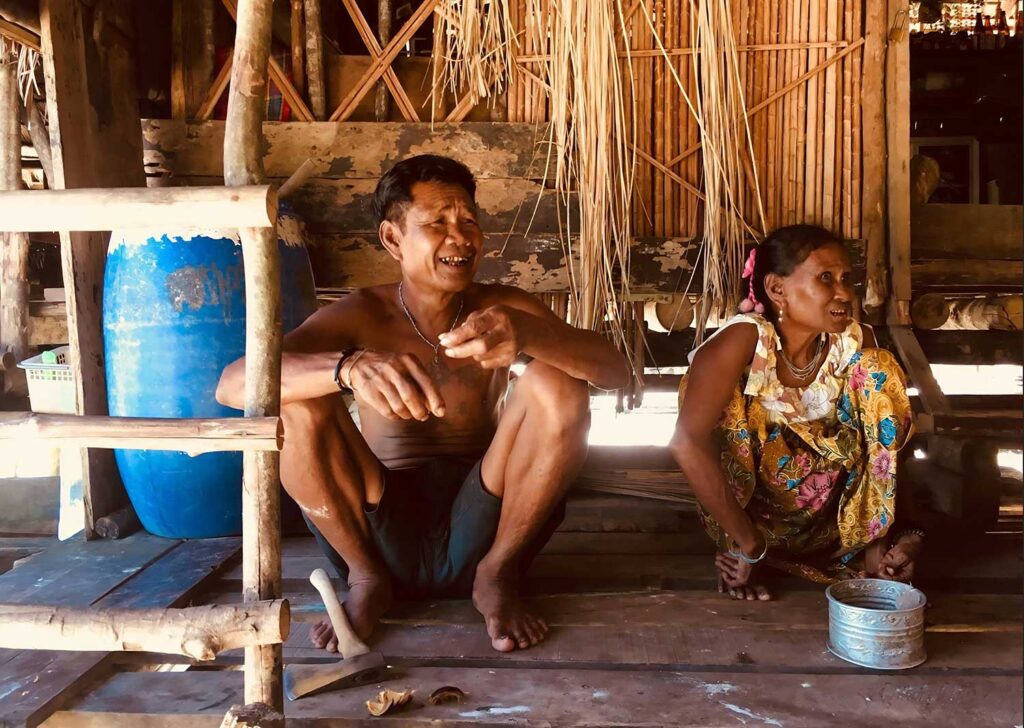
How to Visit the Moken People
Travellers wishing to genuinely engage with the Moken culture must do so with sensitivity and respect. Only a few responsible tour operators in Thailand specialise in sustainable experiences, emphasising education, cultural exchange and direct community benefit. Our favourite is Andaman Discoveries, a company deeply committed to conservation and community-led tourism.
Choosing a responsible tour operator ensures that your visit directly benefits the community – economically and culturally – without exploiting or commodifying their traditions. Tours are carefully structured to maintain minimal impact on the Moken’s daily lives while offering a profound cultural exchange.
What to Expect from a Moken Village Visit
A typical visit to a Moken village, such as the one located within the Surin Islands National Park, begins with respectful introductions. Your guide will likely be someone familiar and trusted within the community, and you’ll be welcomed warmly.
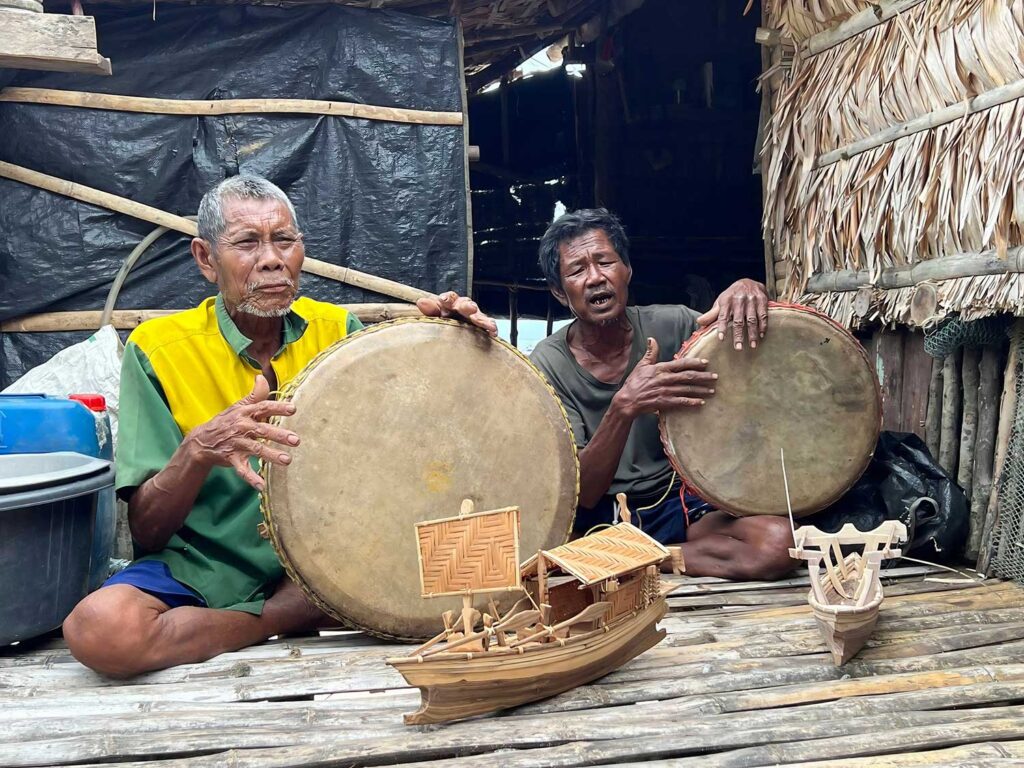
Activities are crafted thoughtfully, balancing cultural education with respect for daily village life. You may witness traditional boat-building techniques, watch skilled divers catching seafood or observe the local women crafting beautiful jewellery from seashells and beads. You’ll share meals of freshly caught seafood prepared traditionally and if you’re lucky, enjoy Moken music. This storytelling is an integral part of their culture – listen as elders and guides share tales of sea voyages, ancestral legends and their profound connection to the ocean. Usually, accommodation is in simple tents, away from the village in the park headquarters.
Protecting a Way of Life: How Your Visit Helps
Beyond cultural insight, responsible tourism directly aids the Moken by providing essential income that helps sustain their traditional livelihoods without compromising their cultural integrity. Revenues from responsible tourism are often reinvested into community healthcare, education initiatives and conservation efforts, empowering the Moken to continue living sustainably. Ethical tourism can also amplify efforts to protect the Moken’s ancestral waters from industrial fishing, pollution and other environmental threats.
Editor’s Side Note
Most tours depart from Khao Lak or Phuket, with trips ranging from day visits to multi-night homestays. The ideal time to visit is between November and April, outside the monsoon season. Advance bookings are recommended, as visitor numbers are intentionally kept small to protect the community’s way of life. When preparing for your trip, pack lightly. Some things we found useful were reusable water bottles, modest clothing and perhaps small gifts or educational materials for the Moken children.

