
We may earn a commission from purchases made through some affiliate links on this website
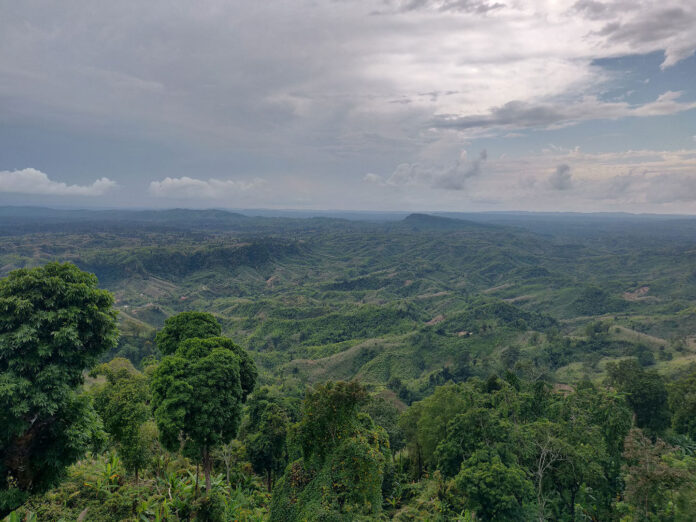
In the highlands of southern Laos, the Bolaven Plateau is one of the country’s most off-beat regions. Its cool climate and volcanic soil grows some of Southeast Asia’s finest coffee, while the mist-draped waterfalls and thick jungle makes for an entirely different feel to the rest of temple-filled Laos. Here, in an elevated landscape carved by rivers and clad in rainforest, time feels thicker, slower and distinctly off the beaten path. For those curious travellers wanting to dive into somewhere a little wild, here’s our essential travel guide to the Bolaven Plateau in Laos.
What Is the Bolaven Plateau?
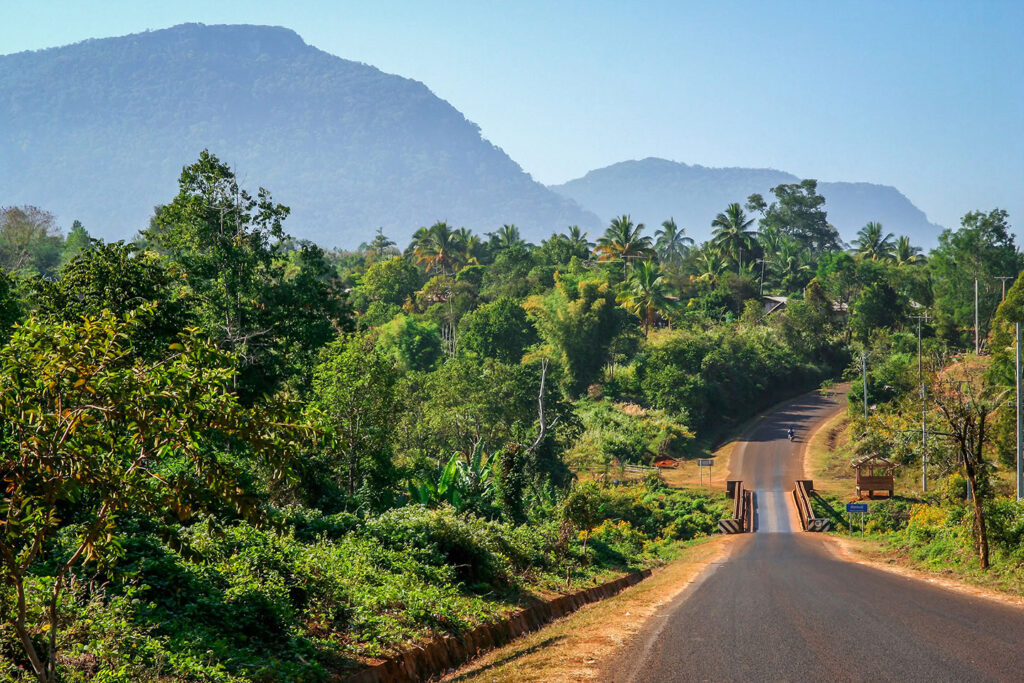
Laos is mostly associated with sleepy river towns like Luang Prabang or adventure hubs like Vang Vieng, but the Bolaven Plateau is something else entirely. Rising up to 1300m above sea level, this is a land of coffee plantations, hill-tribe villages and thundering waterfalls that spill over jungle cliffs. Mostly accessible via motorbike, you can follow looping trails through the rainforest, sip on locally grown coffee at a roadside stall and take a dip in ice cold pools, all in the same day.
How to Get to the Bolaven Plateau
The town of Paksong, about 40km east of Pakse, is the main gateway to the plateau. Minibuses travel from Vientiane to Paksong, or you can fly to Pakse and get a driver or minibus to Paksong from there. The region is accessible year round, but the best time to visit is during the cool season from November to February, when the air is crisp, waterfalls are full and the fields shimmer with green.
Laos’ Coffee Growing Region
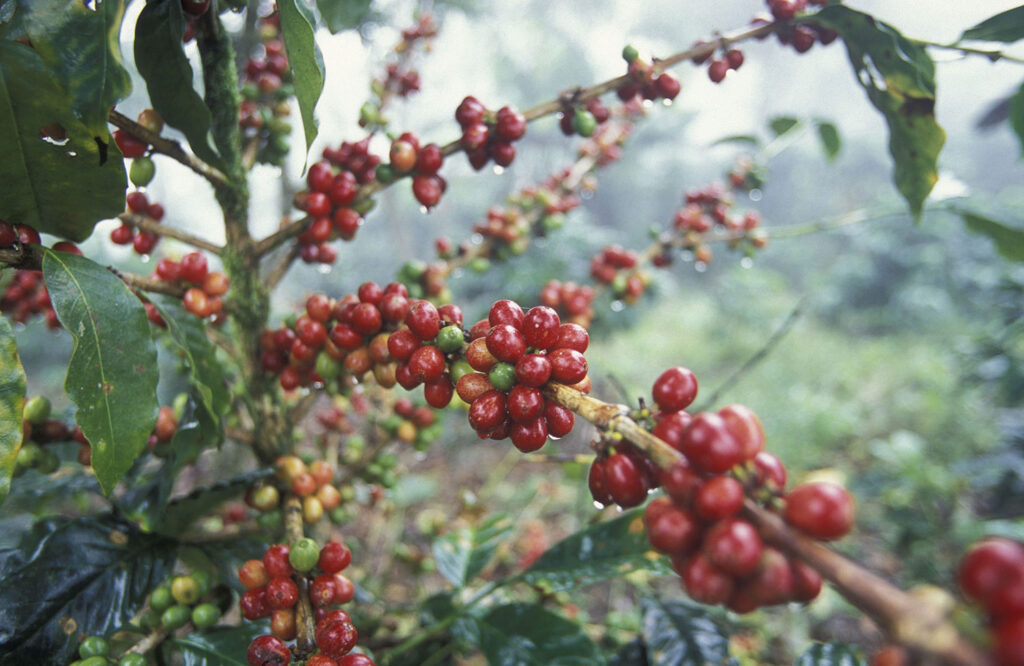
The Bolaven Plateau is renowned as Laos’ coffee growing region, thanks to the cool climate and volcanic soil. Coffee was introduced to the area by French occupiers in the early 20th century, and today, both arabica and robusta beans are grown on farms ranging from commercial operations to family run micro-plantations. As such, a visit here isn’t complete without stopping at a local coffee farm.
Mystic Mountain Coffee is one of the best plantations to visit in the area, providing off-road jeep tours that range from one to multi-day trips, all of them immersing you in the authentic culture and life on the plateau. Tour their organic coffee farm, learn how the beans are roasted and jump into nearby waterfalls after trekking through the wild jungle here.
Waterfalls of the Bolaven Plateau
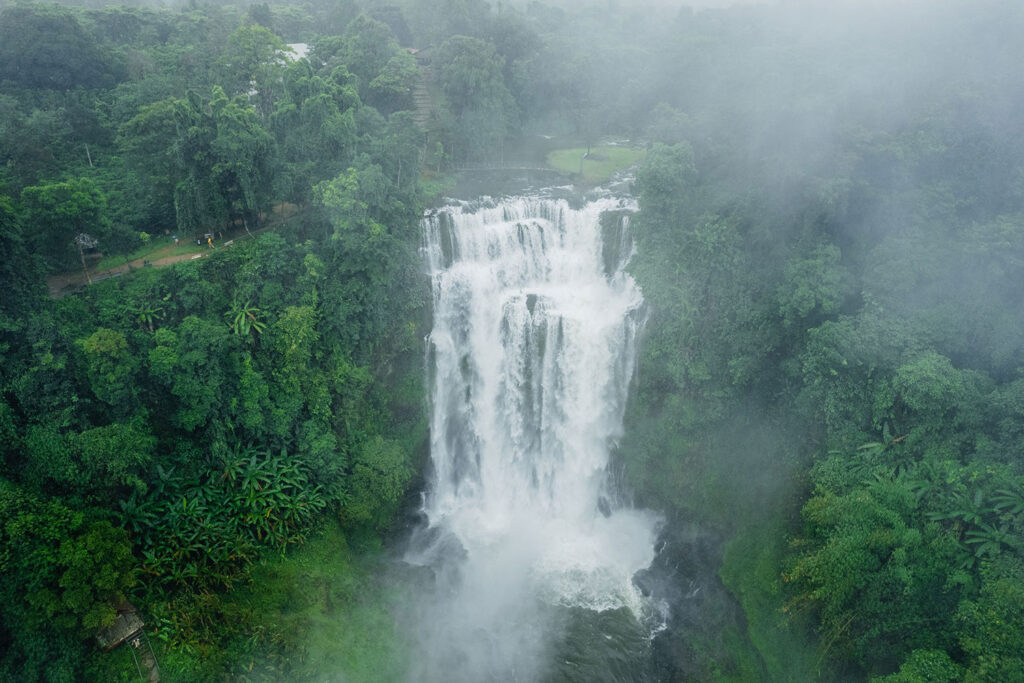
Waterfalls are, without doubt, the Bolaven Plateau’s natural crown jewels. Surely the most beautiful in Laos, there are dozens scattered across the region. Tad Fane Waterfall is undoubtedly the most iconic. Twin cascades plunge 120m into a jungle gorge, often veiled in mist. It’s a majestic, incredible sight!

Tad Yuang Waterfall is just a few minutes away, with water pouring over cliffs into a swimming spot, perfect for a cool dip after enjoying a picnic on the nearby rocks. Tad Lo is actually a series of three falls – Tad Hang, Tad Lo, and Tad Soung – near the village of Ban Saenvang. This area has a more relaxed, local vibe, with bungalows and homestays and local eateries right next to the water. Tad Champee is a lesser known but equally beautiful waterfall, plunging over cliffs into a large swimming hole, surrounded by jungle.
Exploring the Plateau
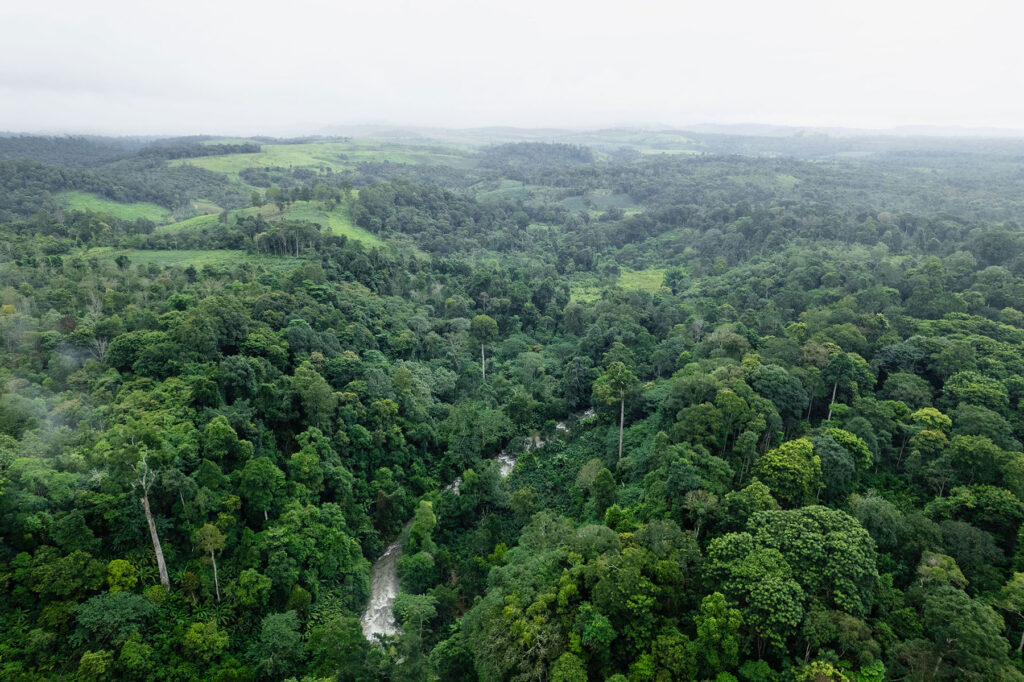
By far the best way to explore the Bolaven Plateau is by motorbike. Most travellers opt for either the short loop (2–3 days) or the long loop (3–5 days), both of which wind through small towns, forests and waterfalls. You can pick up scooters in Pakse, and while the road condition is generally good, we’d recommend some experience riding as the weather conditions are changeable up here, making the roads equally unpredictable! You can find maps and route guides from most guesthouses in Pakse, and if you’re short on time, guided tours and private drivers can also be found in town – no need to book online beforehand.
Village Life
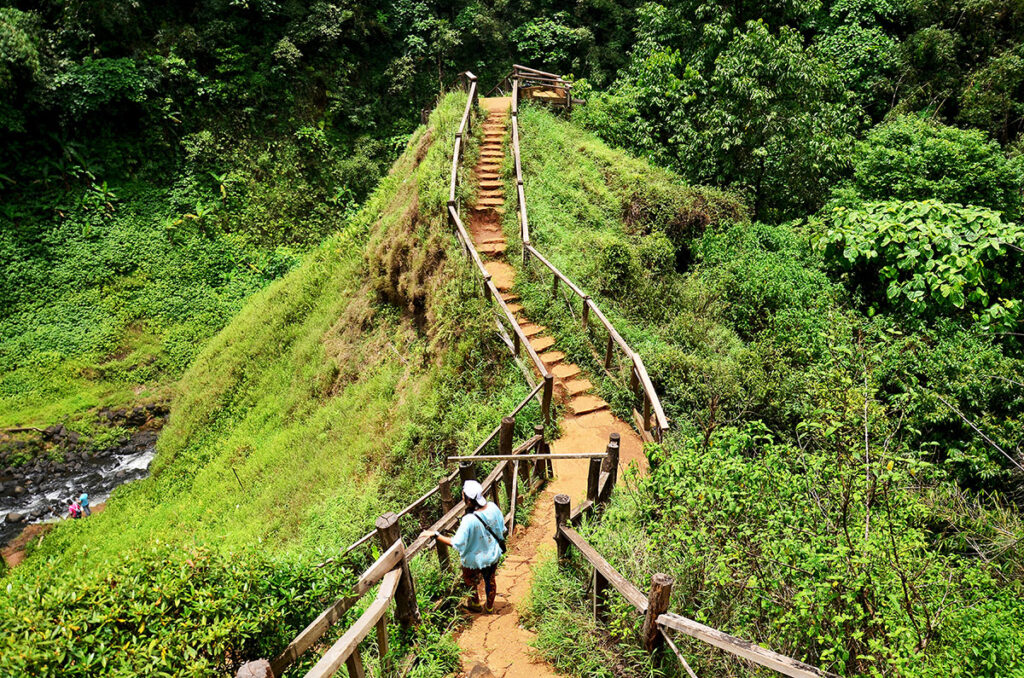
One of the most meaningful parts of visiting the Bolaven Plateau is meeting the people who call it home. The area is inhabited by a mosaic of ethnic minority groups, many of whom maintain traditional practices, languages and dress. The Katu, Alak, and Suay peoples are known for their weaving, animist traditions and spirit houses. English is not widely spoken, but villagers are welcoming, and even a short stop in a local market or weaving village is a glimpse into the way of life in this remote part of Laos.
Where to Stay on the Bolaven Plateau
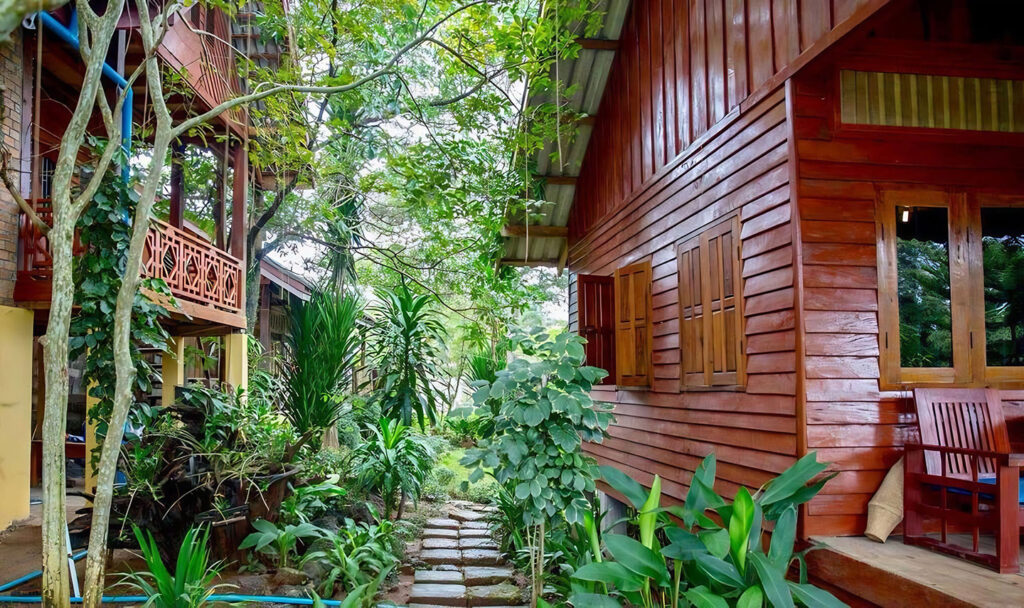
Accommodation across the Bolaven Plateau ranges from rustic homestays to comfortable eco-lodges.
Palamei Guesthouse is a beautiful little gem that has all the comforts of a guesthouse and all the charm and hospitality of a homestay. Surrounded by verdant rice paddies, the rooms here are large and comfortable and the hammocks strung up on the patios are just perfect for lounging in on a rainy afternoon. Cook a traditional hot pot dinner with the hosts, who make this feel like a home away from home.
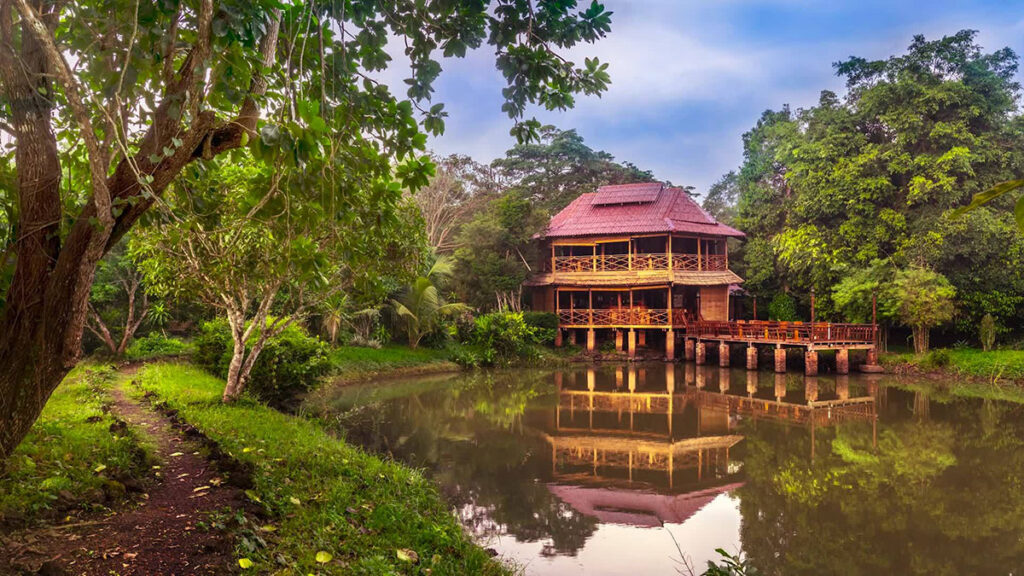
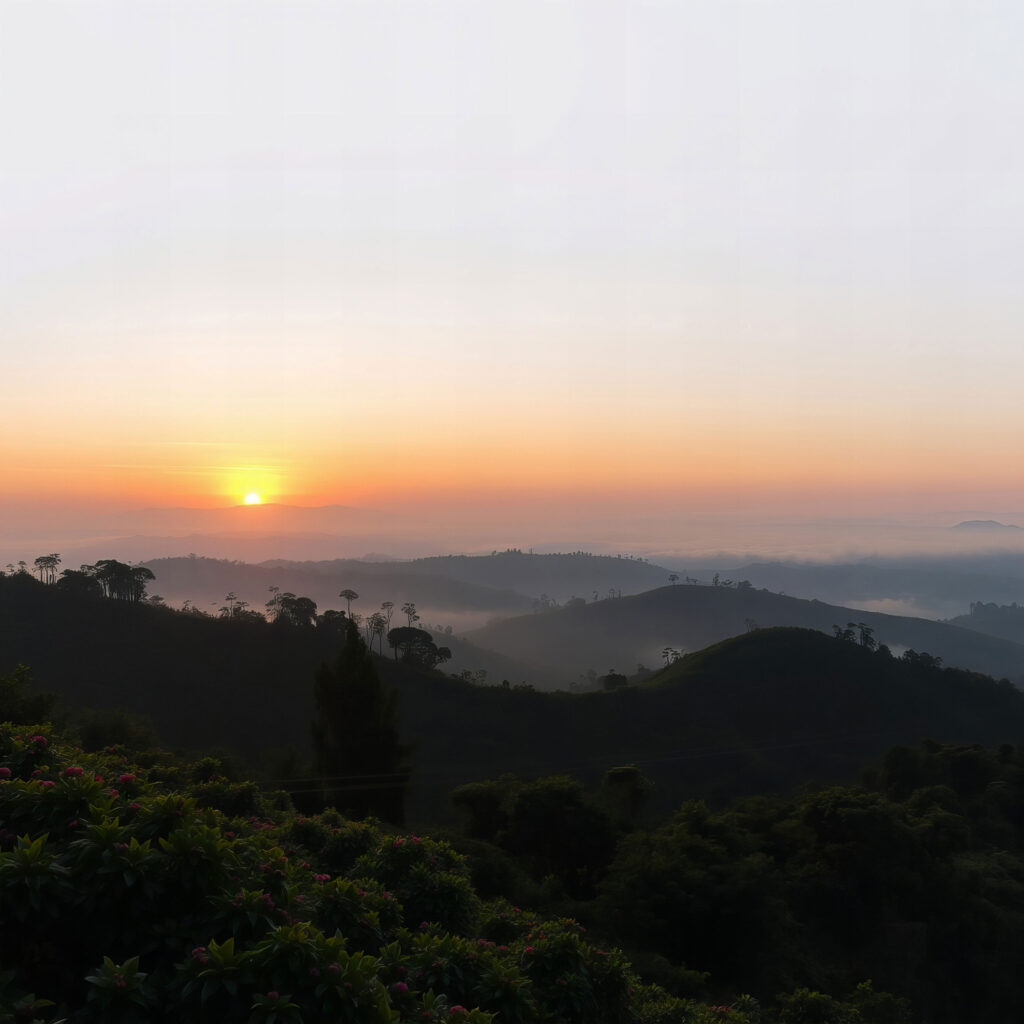
Perched above a picturesque pond near the Xe Pian National Protected Area, Kingfisher EcoLodge is the most luxurious stay in the area, where you can watch the sunrise over the wetlands from your own private, stilted bungalow. Hike to the nearby Wat Phu Asa, take a canoe trip on the nearby lake with local fishermen and see if you can spot the crested serpent eagle.
In Paksong, you’ll find several guesthouses and boutique coffee farm stays. Our favourite is Mystic Mountain Coffee, mentioned above, who pair rustic, cosy accommodation with immersive coffee experiences.
What to Eat
While you won’t find upscale restaurants or macha lattes here, the food in the Bolaven Plateau is hearty, fresh and sourced directly from nearby farms. Expect plenty of sticky rice, grilled meats, river fish and locally grown vegetables. Thanks to its lush rainforest, you’ll also find fresh tropical fruit, especially passionfruit, bananas and avocados which grow on the plateau.
Editor’s Note
The Bolaven Plateau somehow flies under the radar for most travellers. But when you’re sipping local coffee in the morning mist, swimming beneath a jungle waterfall or watching the sun set over rice fields while smoke curls from nearby fires, you’ll wonder why the place isn’t teeming with tourists. Savour it while you can, it’s remoteness is what keeps this place so special.

